Gunship Strike: Precision Firepower from the Sky
Today
5.5MB
3.4
Anderiod
12345

Description
Contents
- 1 Introduction
- 2 What Is a Gunship Gunship Strike: Precision Firepower from the Sky?
- 3 How Gunship Strikes Work Gunship Strike: Precision Firepower from the Sky
- 4 Historical Development of Gunship Strikes
- 5 Advantages of Gunship Strikes
- 6 Challenges and Risks Gunship Strike:
- 7 Technology Used in Gunships
- 8 Role in Modern Warfare
- 9 Ethical and Strategic Considerations
- 10 Conclusion
Introduction
A gunship strike refers to a military operation in which heavily armed aircraft attack ground targets using onboard cannons, missiles, or other precision weapons. These aircraft are designed specifically to provide close air support for ground forces and to destroy enemy positions with accurate and sustained firepower. Gunship strikes have become an important part of modern warfare because they combine surveillance, mobility, and powerful weapons in a single platform.
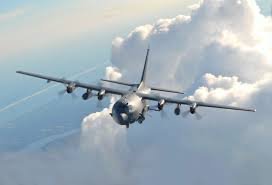
Unlike traditional fighter jets that make quick passes over a target, gunships often circle above the battlefield and deliver continuous fire. This ability allows them to support troops for longer periods and respond quickly to changing situations on the ground.
What Is a Gunship Gunship Strike: Precision Firepower from the Sky?
A gunship is a military aircraft equipped with heavy weapons designed to attack ground targets. Most modern gunships are modified transport aircraft that carry large cannons, machine guns, and precision-guided weapons mounted on the side of the plane.
One well-known example is the Lockheed AC-130, used by the United States Air Force. This aircraft contains powerful weapons such as 30 mm cannons and 105 mm howitzers, allowing it to strike targets with high accuracy. Gunships also carry advanced sensors, cameras, and radar systems to identify and track targets even at night.
How Gunship Strikes Work Gunship Strike: Precision Firepower from the Sky
Gunship strikes follow a carefully planned process to ensure effectiveness and minimize risks.
1. Target Identification Gunship Strike:
The first step is identifying a target. Intelligence sources, drones, or ground troops may detect enemy positions. Modern gunships use infrared cameras, radar, and laser targeting systems to confirm the target location.
2. Coordination with Ground Forces Gunship Strike: Precision Firepower from the Sky
Gunship crews usually communicate with ground troops before launching an attack. This coordination helps prevent friendly fire and ensures that the strike supports the mission objectives.
3. Attack Execution
During the strike, the aircraft typically flies in a circular pattern around the target area. This maneuver allows side-mounted weapons to fire continuously at the target. Precision weapons and advanced targeting systems help ensure accurate strikes.
4. Damage Assessment Gunship Strike:
After the strike, the crew evaluates the results using onboard sensors or reports from ground units. If necessary, additional strikes may be conducted.
Historical Development of Gunship Strikes
Gunship strikes became widely used during the Vietnam War. During this conflict, the United States converted cargo aircraft into heavily armed gunships to support troops fighting in dense jungle environments.
One of the earliest gunship models was the Douglas AC-47 Spooky. This aircraft was equipped with multiple machine guns and could deliver continuous fire over enemy positions. Its success led to the development of more advanced gunships, including the AC-130 series.
Since then, gunship strikes have been used in various military operations, including conflicts in the Middle East and other regions.
Advantages of Gunship Strikes
Gunship strikes offer several benefits compared to other forms of air attack.
Precision
Modern gunships use advanced targeting technology that allows them to strike specific targets with high accuracy. This reduces the risk of unintended damage.
Persistent Support
Because gunships can circle above an area for extended periods, they provide continuous support to troops on the ground. This makes them especially valuable during long engagements.
Heavy Firepower
Gunships carry large-caliber weapons capable of destroying vehicles, buildings, and fortified positions. Their firepower is often stronger than that of standard attack helicopters.
Night Operations Gunship Strike:
Many gunships are equipped with night-vision sensors and thermal imaging systems, allowing them to conduct strikes in darkness or poor weather conditions.
Challenges and Risks Gunship Strike:
Despite their advantages, gunship strikes also face several challenges.
Vulnerability to Air Defenses
Because gunships fly at relatively low speeds and predictable patterns, they may be vulnerable to anti-aircraft weapons or surface-to-air missiles.
Operational Costs
Operating large aircraft equipped with advanced weapons and sensors can be expensive. Maintenance, training, and fuel requirements are significant.
Risk of Civilian Harm
In complex combat environments, identifying targets can be difficult. Strict rules and careful coordination are required to avoid harming civilians or friendly forces.
Technology Used in Gunships
Modern gunships rely on advanced technology to improve accuracy and safety. These technologies include:
- Infrared sensors for detecting heat signatures
- High-resolution cameras for real-time observation
- Laser targeting systems for precision strikes
- Communication systems to coordinate with ground troops
Some aircraft can also launch guided missiles and precision bombs, giving crews multiple options depending on the mission.
Role in Modern Warfare
Gunship strikes continue to play a significant role in modern military operations. They are particularly useful in situations where ground troops require immediate and sustained fire support. Special operations forces often rely on gunships during missions in remote or dangerous environments.
In addition to combat operations, gunships can provide surveillance and reconnaissance support. Their advanced sensors allow them to monitor large areas and track enemy movements.
Ethical and Strategic Considerations
The use of gunship strikes raises important ethical and strategic questions. Military planners must balance the need for effective force with the responsibility to protect civilians and avoid unnecessary damage.
Modern militaries emphasize strict targeting procedures, intelligence verification, and communication with ground forces to ensure responsible use of airpower.
Conclusion
Gunship strikes represent a powerful combination of surveillance, mobility, and heavy firepower. From their early development during the Vietnam War to their use in modern conflicts, gunships have proven to be valuable tools for supporting ground troops and engaging enemy targets.